


Did you find a used car that you like, but you're having second thoughts about whether it's worth buying? Purchasing a car is a big commitment, and you want to make sure you're making a smart move. That's why knowing how to inspect a used car is essential.
Cars that have had previous owners can hide many defects, and it's up to you to spot them while doing a pre-purchase car inspection to avoid costly surprises.
Learning how to inspect a used car gives you the confidence to identify those problems early and that helps you make a decision based on facts rather than the emotion of the moment. That's the only way you'll know you're getting value for your money.
Steps on How to Inspect a Used Car Before Buying a Second-Hand Vehicle
Before you meet the seller, it's a good idea to quickly make a car inspection checklist so you know exactly what to look for and don't miss anything.
Remember that if you're organised, the chances are you won't overlook key things to inspect when buying a used car.
Also, don't rush the used car inspection. Take your time, ask about the way the car has been cared for, why they are selling it and only go ahead if you really feel it is the right fit.
Visual and Mechanical Inspection
A proper pre-purchase car inspection should cover every part of the car you can see and touch. This can give you a solid picture of how well the car has been looked after.
Exterior
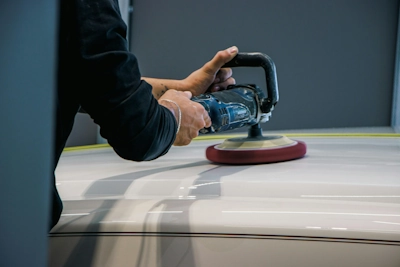
Watch for chips, dents, rust, or any paint in the panel that looks uneven or out of place. Check the tyres too and look at the tread and sidewalls. If the wear looks uneven, it could point to alignment or suspension issues.
Interior
Sit in, buckle up, and check the seats, belts, and airbags. Then, try the air conditioner, heater, windows, and infotainment. Breathe in to smell any dampness or mould, which can indicate leaks.
Under the bonnet
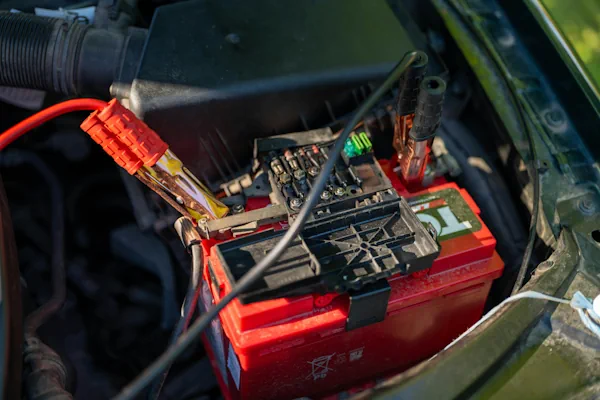
Check fluids and look for cracked belts. Start it up and listen. Knocks or rattles aren't a good sign. Peek at the battery and terminals for corrosion.
Under the car
Crouch down and look for leaks, rust, and any damage along the exhaust. If it looks rough, it usually is.
Take the used car for a test drive
Once you've done your visual checks, the test drive will tell you how the car really feels.
Start it cold and listen for rough idling or hesitation. Steering should feel firm and responsive, not heavy or loose. When braking, the car should stop straight and quietly.
Drive at various speeds, including uphill or around corners, to test how the transmission and suspension respond. Notice any vibrations or unusual noises.
If anything feels off, it's best to pause and arrange a used car mechanic inspection before making a final decision. That's important because even though you want to make the purchase, you have an official document that helps you bargain for the price.
Paperwork and Verification
Even if the used car feels in good condition, you must check the paperwork anyway. Ask for the service history, registration papers, and a valid roadworthy certificate. Make sure the Vehicle Identification Number (VIN) on the car matches what's listed on the documents. Any mismatch could be a red flag.
It's also worth running the details through your state's vehicle register to see if the car has any unpaid loans, flood damage, or a past write-off record. For extra peace of mind, check our roadworthy inspection guide and car resale tips.
When to Call for a Professional Car Inspection
If you're not sure what to look for or just want a second opinion, book a pre-purchase car inspection. A qualified mechanic will check the brakes, suspension, and electrical parts and give you a clear report on the car's condition.
The cost of a used car mechanic inspection can change depending on the workshop and how detailed the check is. Some inspections focus on basic safety and visual checks, while others include full mechanical testing and a road drive.
FAQs
What are the common hidden problems in used cars?
Common hidden issues include oil leaks, rust underneath, worn-out suspension parts, and electrical faults. A detailed pre-purchase car inspection can identify most of these problems.
Is it worth it to have a pre-purchase car inspection?
Absolutely. A pre-purchase car inspection can give you more confidence when buying a used car, as you will know in advance if there are any mechanical or safety issues.
What to ask when looking at a second-hand car?
Ask about the ownership history, accident repairs, service intervals and how the car was used. A good seller will not keep these things a secret.
How much do mechanics charge to inspect a used car?
The cost of a mechanic's inspection can vary depending on the level of detail, the workshop, and the vehicle itself. It's best to compare a few options and choose a used car inspection that gives you the right level of confidence before you buy.
Drive Away Confident with Tyrepower
When you're done checking everything and ready to buy, let Tyrepower give your next car the green light. We offer roadworthy inspections, tyre safety checks, and maintenance advice to help you make the right choice.
Learn more about how to ensure you're purchasing a safe car and book your inspection today at your local Tyrepower.