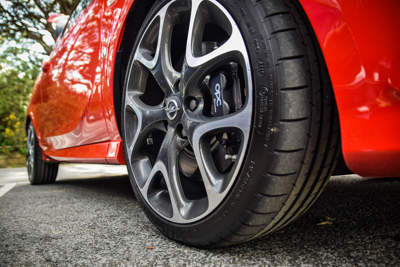



When it comes to choosing tyres for your car, there are a variety of factors to consider. This includes what kind of car you own, what kind of roads you’ll be driving on, how often you’ll be driving, the local climate and how that climate is affected by seasonal changes.
The climate is an essential consideration when choosing tyres because of the impact it has on roads. They get icy and cold during winter months and get so hot they leak tar during hotter months. This in turn is going to have an effect on your tyres, from the amount of wear and tear they suffer to how well they perform.
Winter Tyres
During winter, the roads become cold, wet and slippery. Rubber tyres react to changes in temperature and braking is different on icy, slushy or wet road surfaces. In these conditions, the right tyre can make a huge difference. This is especially the case if you’re in an area with heavy snowfall or icy roads.
Tyres stiffen in colder weather, limiting their ability to provide traction. The tread rubber on winter tyres are specially designed to remain flexible so they can better grip the road. Deeper tread depths provide additional traction while special tread patterns are designed to expel snow and water. Winter tyres work best in when it is below 7 °C.
Summer Tyres
Summer tyres are designed to provide all round better performance in warmer months. They have a relatively hard compound that softens in milder temperatures, allowing them to adapt to wet and dry roads. This makes them unsuitable for colder climates as they can become brittle as they contain less natural rubber.
These tyres can adapt to higher temperatures without getting soft, reducing the amount of friction and making your car more fuel efficient. Summer tyres typically have a simple block-shaped tread pattern that provides a large footprint with the road and ensures excellent braking and handling.
All Season Tyres
Many cars are fitted with all season tyres as standard when they leave the factory. All season tyres provided versatile performance and are designed to perform in a range of conditions, combining some benefits of both winter and summer tyres. Of course, all season tyres have to compromise by eliminating some winter and summer tyre performance capabilities.
All season tyres won’t provide the same extreme grip, fuel economy and sharp handling of a summer tyre. They also won’t be able to handle driving through snow or ice. All season tyres are appropriate for drivers who live in moderate climates and don’t frequently encounter extreme weather.
Looking for Great Tyre Deals Across Australia?
With locations all across Australia, Tyrepower can help you get the right tyres whether you’re in the alps of Victoria or in the hottest parts of Queensland. We offer great wheel and tyre packages brands like Kumho tyres, Goodyear tyres, Continental tyres, Maxxis tyres, Hankook tyres, Michelin tyres, Pirelli tyres and Toyo tyres.
Find your closest Tyrepower Store or call 13 21 91.