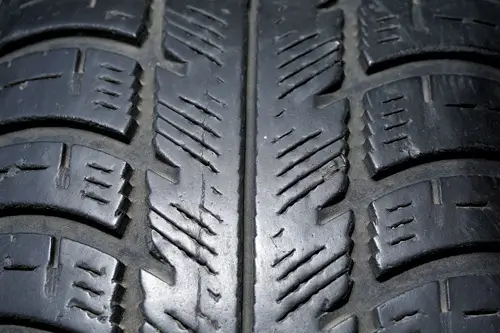



Electric vehicles continue to grow in popularity as new EV battery technology provides longer driving ranges. At the same time, newer models provide a wider selection of advanced features. Such developments allow newer models to challenge traditional petrol cars across several areas. However, despite these advancements, one concern still affects many EV owners: faster tyre wear.
This will bring us to an interesting question. Why do EV tyres sometimes wear out faster than standard tyres? As it turns out, several factors contribute to their shorter lifespan.
Why Do EV Tyres Wear Faster?
The shorter lifespan of EV tyres is not linked to just one specific issue. Rather, it actually comes from the combined demands that are placed on the tyres during everyday travel. The following factors are what contribute to this increased wear.
EVs Are Heavier
One major reason for faster tyre wear is the additional weight of the battery packs of an electric vehicle. In fact, some electric models tend to weigh around 20% more than a similar petrol-powered version. Such extra weight will put more pressure on the tyres whenever the vehicle accelerates or corners. There will also be a similar strain whenever the driver applies the brakes. While electric vehicle tyres are generally strengthened to cope with the load, the correct load rating is still important.
EV Tyres Reduce Rolling Resistance
Many EV tyres are designed with reduced rolling resistance. This kind of design is what enables the vehicle travel further from each battery charge. However, driving range is only one consideration. At the same time, manufacturers must consider ride comfort plus durability. Furthermore, tyre noise is particularly important because electric vehicles have quieter motors. Therefore, the final tyre design must be able to balance several demands.
EVs Deliver Instant Torque
EVs can access their torque almost instantly rather than building power gradually like many petrol vehicles. This is as soon as the accelerator is pressed. While this instant power is what makes the vehicle enjoyable to drive, it is also the one that places greater strain on the tread. As that force reaches the road, the tread is expected to work harder to maintain grip over time. As such, this repeated pressure will shorten the EV tyre lifespan. This is especially on powerful models or vehicles regularly driven through stop-start traffic.
Fast Acceleration Wears Tyres Faster
Rapid acceleration may also be the reason why tyres slip slightly against the road. Traction control usually limits the slip quickly. However, the extra friction will still affect the tread. Fast acceleration also places added pressure on EV tyres. This is because they work to maintain grip under the vehicle’s heavier weight. Over time, these frequent hard take-offs will shorten the EV tyre lifespan.
How Long Do Electric Vehicle Tyres Last?
The factors explained earlier tend to place extra strain on EV tyres throughout each trip. As such, most EV tyres may last between 20,000 to 40,000 kilometres. However, it is important to note that mileage alone will not determine if they are still suitable for use. In some cases, EV tyres may wear out sooner due to the vehicle’s weight plus driving demands. In contrast, others are able to stay suitable for use over a longer period.
Signs You Might Need New EV Tyres
No matter how many kilometres your EV tyres have already travelled, their condition will be the strongest indication that replacement time is approaching. The following are some of the warning signs:
Tread Depth Below 1.5 mm
An EV tyre with less than 1.5 mm of tread is severely worn, no longer roadworthy under Australian requirements. This means that replacement is required immediately.
Wear Bars Sit Level With the Tread
Inside the main grooves, there are raised sections that act as a tread-depth guide. As such, they are there to help drivers see how much tread remains before replacement is required. These markers become easier to see when the surrounding rubber wears away. When the tread becomes flush with them, this is a sign that the tyre has reached its wear limit.
The Rubber Shows Excessive Cracking
Cracks indicate that the rubber has started to deteriorate. Deep or widespread cracking requires inspection from a tyre specialist.
Tread Wear Looks Uneven
Uneven tread wear is also an indicator of incorrect tyre pressure. Aside from that, it may also point to poor wheel alignment. In some cases, certain sections may become worn long before the rest of the tyre.
The Sidewall Develops a Bulge
When the tyre’s internal structure becomes damaged, bulges tend form. This also means that the tyres have weakened tyre thus needing prompt professional attention.
How Proper EV Tyre Care Can Extend Their Lifespan
Electric cars still require regular maintenance especially when it comes to their tyres. For this reason, consistent EV tyre care will reduce uneven tread wear. Aside from that, routine inspections will also identify early signs of damage before they become more serious.
The following maintenance areas play an important role in preserving tyre condition:
- Recommended tyre pressure: Correct pressure will promote even road contact while limiting unnecessary heat build-up.
- Tyre rotation: By repositioning the tyres, this will spread wear more evenly across the complete set.
- Correct wheel alignment: Accurate alignment will keep the tread positioned evenly against the road.
- Wheel balancing: Correctly balanced wheels can limit vibration plus irregular wear.
- Regular inspections: Early signs of damage or irregular wear appear during frequent tread inspections.
- Driving habits: Avoiding sudden acceleration will also limit any unnecessary pressure on the tyres.
Get More From Your EV Tyres With Tyrepower
An EV without the right tyres is a bit like a charger without a plug. When replacement time arrives, your local Tyrepower team will help you find tyres suited to your vehicle. Aside from that, our local team will also provide expert fitting or tyre rotation to keep your new set performing properly.
Visit your nearest Tyrepower store for your next EV tyre check!