


The air pressure in your tyres supports the entire weight of your car. Maintaining the correct tyre pressure is essential for keeping you and other road users safe as well as improving vehicle performance, decreasing fuel costs and ensuring you get the most life out of your tyres. Yet it’s one of the most common aspects of a car that driver neglect.
The Effects of Under Inflation
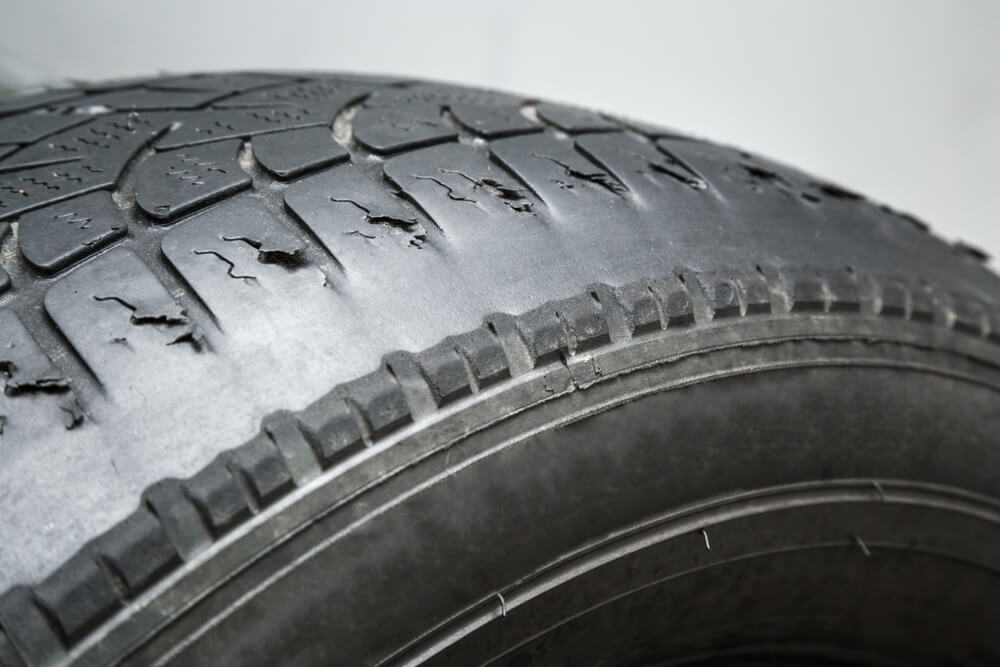
Under inflated tyres are among the leading causes of tyre failure. Under inflated tyres cause too much of the tyre to touch the road, increasing friction and wear. A tyre doesn’t need to look a little flat to be under inflated, so always check it using a tyre gauge. In fact, a tyre with 25 per cent of the air let out of it looks like a fully inflated tyre.
- Increased rolling resistance which makes the engine work harder
- Uneven tread wear, with the edges of the tyre wearing out faster
- Poor braking performance
- Increased fuel consumption due to the rolling resistance
Over inflated tyres on the other hand give you a bumpier ride, compromises handling and creates uneven tread wear. There is a myth that the more your tyre is inflated, the better fuel economy is. This isn’t true. Always keep your tyres inflated at the recommended level.
The Effect of Tyre Pressure on Fuel Consumption
Under inflated tyres increase your vehicle’s drag, which increases fuel consumption. But by how much exactly? A study by the National Highway Traffic Safety Administration (NHTSA) in the USA found that every 1 per cent decrease in tyre pressure correlated to a 0.3 per cent reduction in fuel economy. Under inflation of the tyre by 10 per cent increases fuel consumption by 2 per cent. Twenty per cent under inflation increases fuel consumption by 4 per cent. With tyre pressure at 40 per cent below the recommended level, the tyre’s fuel consumption increases by 8 per cent.
This can have a significant effect over time as tyres can naturally lose one to two PSI per month. Changes in temperatures can also affect tyre pressure. For every 5 °C drop in temperature, there is a 2 per cent loss in tyre pressure. Your tyre also inflates about 2 per cent with a 5 °C rise in temperature. If the temperature fluctuates throughout the year or even from day to night, the effect can be significant.
Need Your Tyres Checked or Replaced?
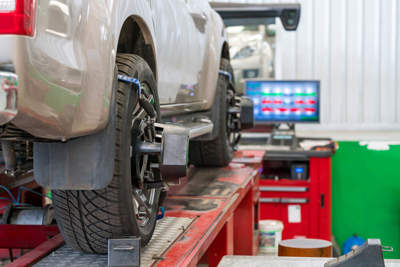
With locations all across Australia, Tyrepower can help you prepare for your next road trip by ensuring your car is in great condition. Whether you need new tyres, a wheel alignment or any other preventative maintenance for your vehicle, we can help. We’re proud to offer great tyre deals from brands like Kumho tyres, Goodyear tyres, Continental tyres, Maxxis tyres, Hankook tyres, Michelin tyres, Pirelli tyres and Toyo tyres.
Find your closest tyre shop and call 13 21 91 today.